
Laundering and Storage Pointers for HMDD Shorts Collection: A Maintenance Manual
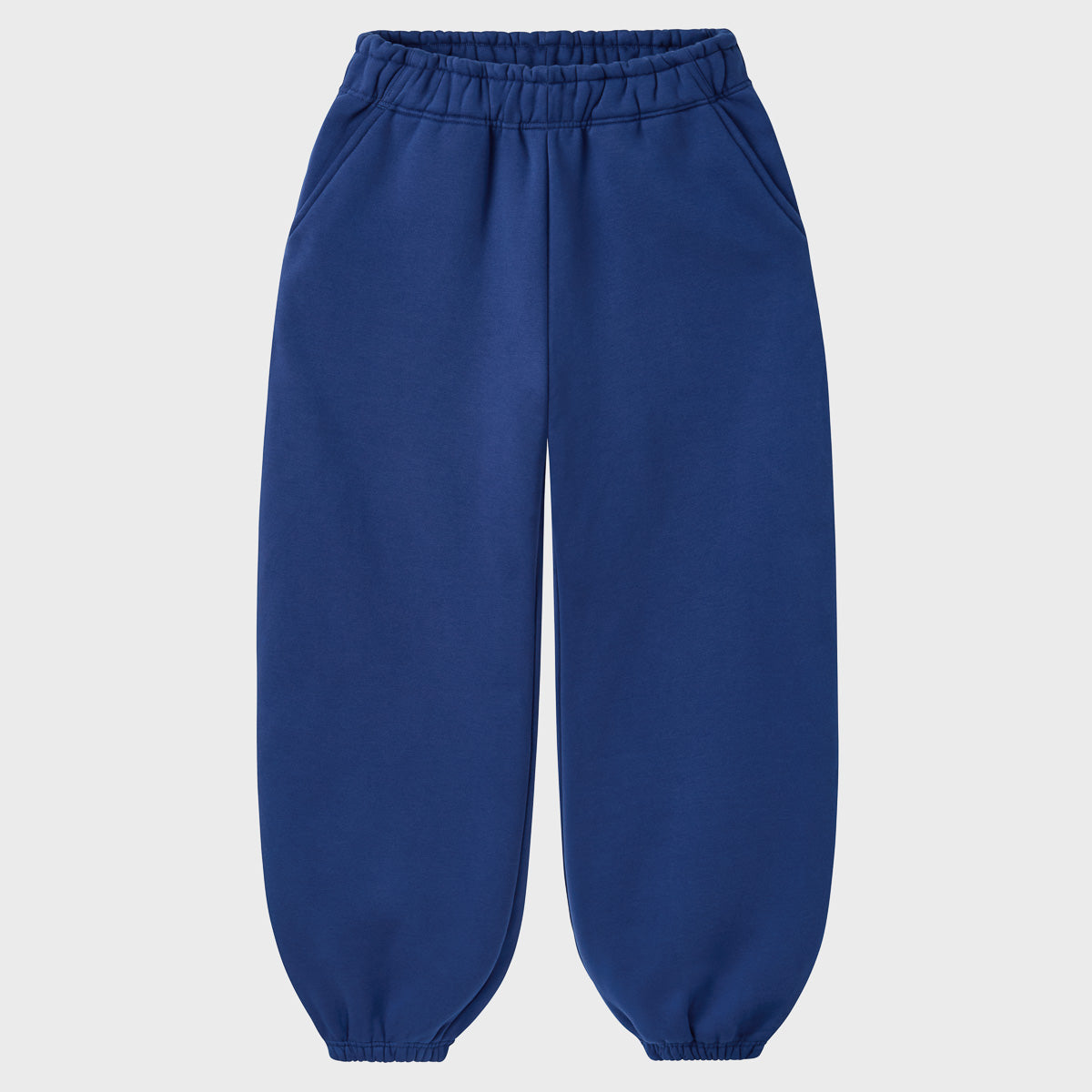
The line “happy memories don’t die” anchors a design principle woven through the HMDD shorts lineup, garments built to last through repeated wear instead of losing form within months. Such an aim only stands if the care behind the garment lives up to the workmanship invested in making it. Any given pair can be built using heavyweight cotton, reinforced seams, and considered fall, but careless laundering will erase those benefits within only a handful of launderings. This walkthrough lays out the specific steps that keep the HMDD shorts lineup crisp in appearance, soft to the touch, and true to form well into 2026 and beyond, whether you’re rotating them through daily wear or keeping them for less frequent use.
Two questions usually motivate people searching for an hmdd review: whether sizing stays consistent, and whether the material withstands genuine laundering and storage. Both concerns come down to routine more than chance. What follows cover washing temperature, drying techniques, stain treatment, folding versus hanging, and how shorts compare to other HMDD pieces like sweatpants when it comes to upkeep requirements.
Why Careful Maintenance Makes a Difference for HMDD Clothing
HMDD garments tends to be made from more substantial textiles than ordinary budget shorts, which means the washing directions are more than optional advice — they shape drape, print integrity, and elastic waistband life. Clothing built with a heavy cotton mix will lose size more sharply under hot wash settings than a lighter poly-cotton mix, so guessing at wash settings is a bet you don’t need to take. Printed graphics and stitched emblems, common across hmddla drops, are especially prone to flaking or splitting when subjected to intense drying heat or bleach-containing cleaning agents.
Numbers tell the story: a cotton-heavy short washed above 40°C hmdd shirt can shrink by up to 5% in just three washes — enough to change how the waistband sits or how the hem falls. Contrast this with a wash cycle kept at 30°C with a mild spin setting, where size loss typically stays under 1-2% even after ten washes. That difference matters when fit precision has mattered to you from day one. The soundest approach to caring for hmdd clothing, as reported by experienced users, almost always begin with temperature control before any other consideration.
On top of function, a sentimental angle surfaces that echoes the label’s very name. When the clothing tied to those memories endures the years, good memories don’t die, and this is as practical as it is sentimental. That one pair of shorts worn during a particular summer, a trip, or a chapter of life holds more value when it continues to look the way it did on day one. Handling the fabric with care is part of protecting that memory, not just the garment.
HMDD Shorts Laundering Walkthrough, Step-by-Step
Kick things off by turning the shorts inside out before they go anywhere near water. This single step guards printed graphics and embroidered details from friction against zippers, buttons, or other garments in the load. Stick to cold to lukewarm water, preferably keeping it under 30°C, since high temperature is the most significant factor in both shrinkage and color fade. Avoid the bleach entirely, even the “gentle-on-color” versions, because optical brighteners and whitening agents interact poorly with saturated dyes and can leave a chalky residue on darker colorways.
A soft, unbleached detergent is the more reliable choice, and using about two-thirds of the recommended dose is often enough for a single pair of shorts or a small mixed load. Overloading the washer with too much detergent leaves accumulation in the fibers, which stiffens fabric over time and mutes the surface texture. Set the machine to a gentle or delicate cycle rather than a regular or intensive one — the reduced agitation safeguards seams, especially the sturdier stitching found on drawstring waistbands and pocket bags.
Group similar colors when washing and separate anything with heavy zippers or hardware that could catch fabric during the spin cycle. Should the shorts include a drawstring, ease it out a little and tie the ends loosely so it doesn’t slip into the waistband channel mid-wash. Also avoid fabric softener, since it covers fibers with a filmy layer that reduces moisture-wicking properties in blended fabrics and can leave a slight residue on darker tones after repeated use.
Drying: The Stage Most People Get Wrong
Tumble dryers are the fastest way to damage cotton-heavy shorts, full stop. High heat settings can shrink garments an additional 2-3% beyond what washing alone causes, and that shrinkage builds up every single cycle. Air drying is the safer, more reliable method, and it typically takes 4-6 hours for shorts to dry completely at room temperature depending on fabric weight and humidity. Lay them flat on a drying rack rather than hanging them from a clothesline, since gravity pulls damp, heavy fabric downward and can distort the waistband or leg openings over time.
Limited time may make a dryer hard to skip, in which case you should go with its gentlest heat option and lift the shorts out when they’re yet slightly damp, letting them complete air drying laid flat. Blending both methods this way cuts drying time to approximately 20-25 minutes in the machine plus an additional hour or two of air drying, which is a sensible balance for anyone alternating between a smaller wardrobe of hmdd shorts and hmdd sweatpants during a busy week. Keep away from direct sunlight during the open-air stage too, since UV exposure dulls saturated colors more quickly than drying inside near a window or in a well-ventilated room.
Removing Stains Without Harming the Fabric
Compared to set-in stains, newly made spills react far better to swift treatment, meaning a spill treated within the first 10-15 minutes has a much higher chance of being fully removed. Press gently rather than rub, since rubbing drives the stain further into the fabric and can cause color transfer on lighter shorts. A cold-water and dish-soap mix work surprisingly well on oil-based stains, while a mix of cold water and white vinegar handles most food and drink spills without bleaching the surrounding fabric.
Steer clear of direct application of concentrated stain removers on printed areas, since the chemicals in many commercial products can interact with plastisol or water-based inks and cause cracking or discoloration. Sample any treatment on an inside seam allowance first, allowing it to rest for a minute before rinsing, just to make sure the fabric and print survive. Since dirt and grass marks are common on shorts worn for outdoor use, a pre-soak in cold water with a bit of enzyme-based detergent for about 30 minutes before the regular wash cycle usually removes them.
Storage Advice for Longer-Lasting Garments
Folding garments is nearly always better than hanging for shorts, since hanging produce pressure points at the waistband that loosen elastic and warp the fit over months of storage. Store shorts flat in a drawer or arranged neatly on a shelf, keeping heavier fabrics separate from lighter ones to prevent uneven pressure that can crease permanent lines into the material. Lavender sachets or cedar blocks placed nearby help deter moths without the strong chemical odor of traditional mothballs, which can also transfer odor into stored fabric.
Humidity control is often underestimated — a wardrobe space or drawer that stays consistently above 60% humidity invites mildew growth, most notably in denser cotton mixes that hold moisture longer than synthetic fabrics.
A simple silica gel packet or a small dehumidifier placed in the storage space holds that danger in check. Rotate stored shorts every few months even when they’re not in seasonal use, since material kept creased in one identical spot for a year or longer can acquire crease lines that won’t go away that don’t fully release even after washing.
the HMDD Shorts versus HMDD Sweatpants: Care Comparison
Sweatpants and shorts under the same label may share similar fabric weight and print techniques; however, care needs vary somewhat because of cut, hardware, and typical wear frequency. The following table spells out the real-world distinctions worth noting before you throw them together into one wash batch.
| Care Factor | HMDD Shorts | HMDD Sweatpants |
|---|---|---|
| Suggested Washing Temperature | At or under 30°C | 30°C or cooler |
| Drying Instructions | Air dry flat, 4-6 hours | Lay flat to dry, 6-8 hours (thicker fabric) |
| Shrinkage Risk | Moderate (hem and waistband areas) | Elevated risk (cuffs, leg length) |
| Storage Preference | Keep folded flat | Folded flat, avoid tight stacking |
| Recommended Wash Frequency (average wear) | Every 2 to 3 uses | Every 3 to 4 uses |
Wrapping Up: How to Maintain HMDD Garments In Regular Use
hmdd clothing aren’t tricky to look after, yet consistency matters more than convenience. By combining cool washing, mild cycles, air-drying, and mindful storage, you end up with garments that stay in rotation for years, not just months. The same trend shows up again and again anytime you scan through an hmdd review thread — it is the people skipping the dryer and skipping the bleach who keep their garments lasting the longest.
The core concept circles back to the label’s central philosophy, regardless of whether it’s shorts sported across a summer or sweatpants pulled out through colder months. Cherished memories don’t disappear when the clothing tied to them is handled with the same care as the memories themselves. Spending a little extra time washing is a modest price for keeping both the fabric and the memory intact.